How to Film a Kumar Method Video (the Full Guide)
The whole method, step by step. The exact script template, the two-scene shoot, the lighting diagram, and the photos to take, so you can film the entire thing on your phone in about half an hour. Betty did, and it hit 748K views.

Written by Benjamin Chua, founder of Trueframe.
This is the full Kumar Method guide. The exact script, the exact shots, the photos to take, and what to send over. It takes about half an hour including filming. Betty followed it, shot her whole part on her phone, and the video did 331,000 views in its first three days, 748,000 in two weeks. Here's everything, step by step.
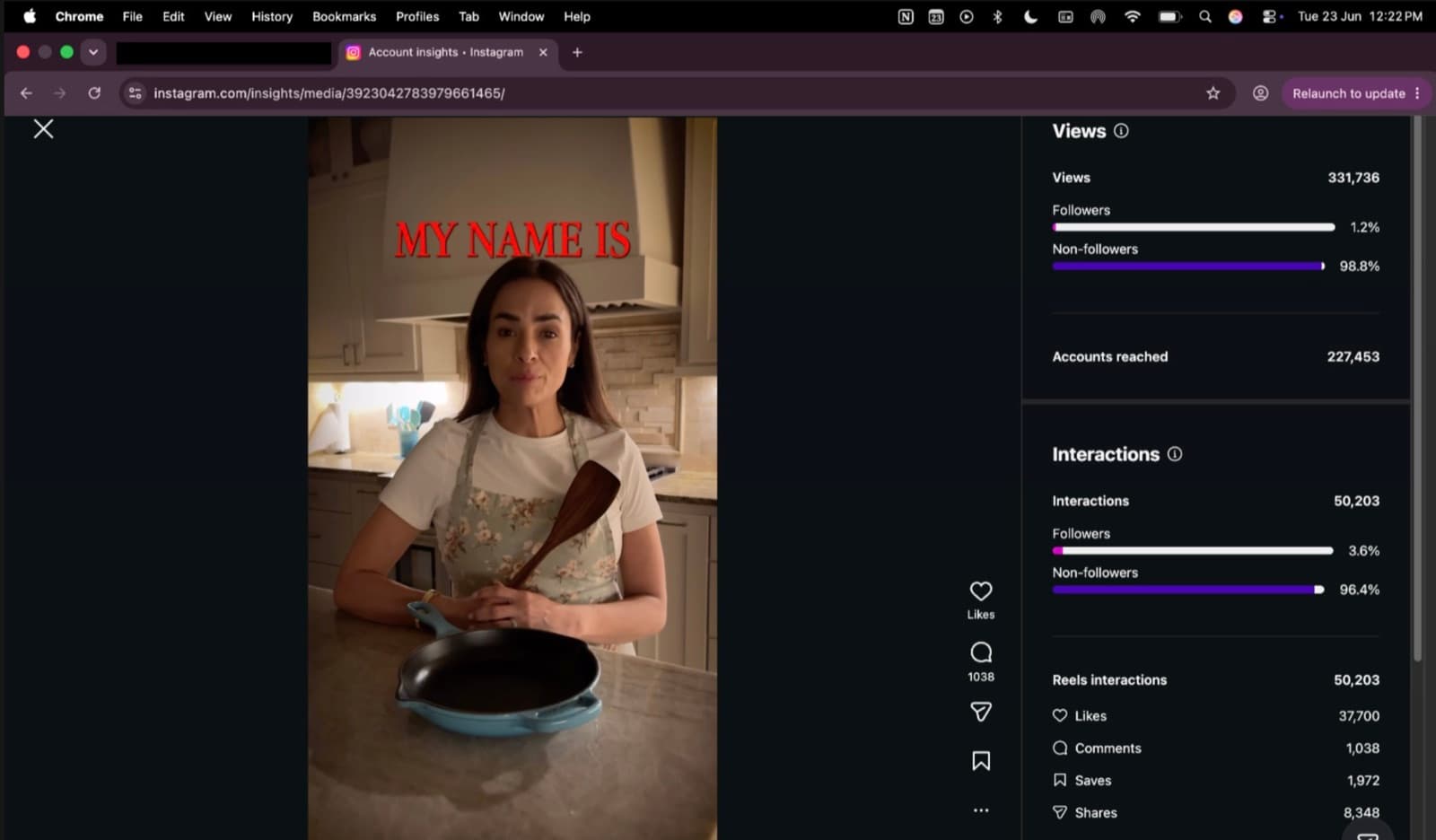
She shot the A-roll on her phone and sent us a Google Drive link. We polished the script, then graded, scored, and assembled the whole thing. No studio, no crew, no expensive camera. Gather the material below and you're most of the way there.
What you need
- A modern phone.
- One light, or a window.
- A quiet room.
- A plain wall for the photos.
That's the whole list. Spend your effort on the room, not the gear. A newer phone in a dark, well-lit room beats a cinema camera in a flat, bright one every time.
Step 1: Scripting
One script, two scenes. The first is dark and serious. The second is lights-on and honest. Here's the original Kumar reel, then the exact template to write your own.
This is a message to all finance bros.
My name is Kumar.
I'm a retired accountant, and I'm going to steal your jobs by becoming the biggest accounting influencer in the world.
(B-roll aura farm edit)
My husband wants to be famous, so please follow him.
This is a message to all [niche call-out].
My name is [your name].
I'm a [adjective + profession], and I'm going to [do something crazy] by [aspirational funny goal].
(B-roll aura farm edit)
My [partner / boss / title] wants to be famous, so please follow him.
Get creative with the punchline. Pick a couple of angles that are intentionally provocative, and lean in. The more provocative the build, the harder the turn lands when the lights come on in scene two and you drop the act. The gap between the villain and the grounded, human version of you is what makes people follow.
Step 2: Filming
Filming is quick. A few principles before you start.
- Pick an environment that reflects your niche. Trainer in a gym. Finance in a sharp office. Doctor in a clinic.
- Wear something that exaggerates the role. Lean all the way in.
- Hold the serious Kumar energy. Straight face, straight down the lens.
- Pause between every sentence. Take your time, slower than feels natural.
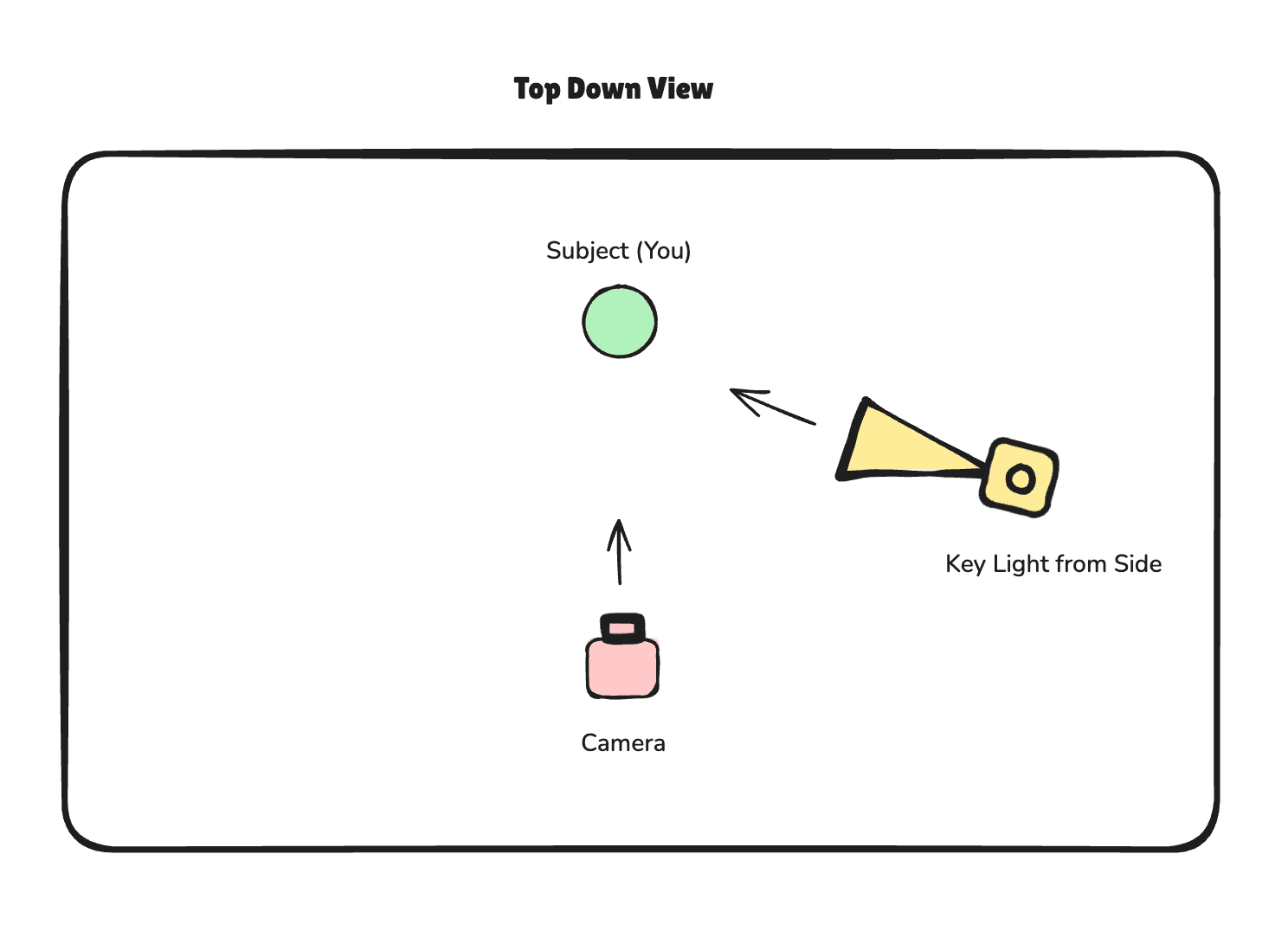
- Dark, cinematic lighting. One hard source from the side.
- Don't be afraid to retake. Send multiple takes and we pick the best frames.
You only need two scenes.
Scene 1: Dark cinematic intense A-roll
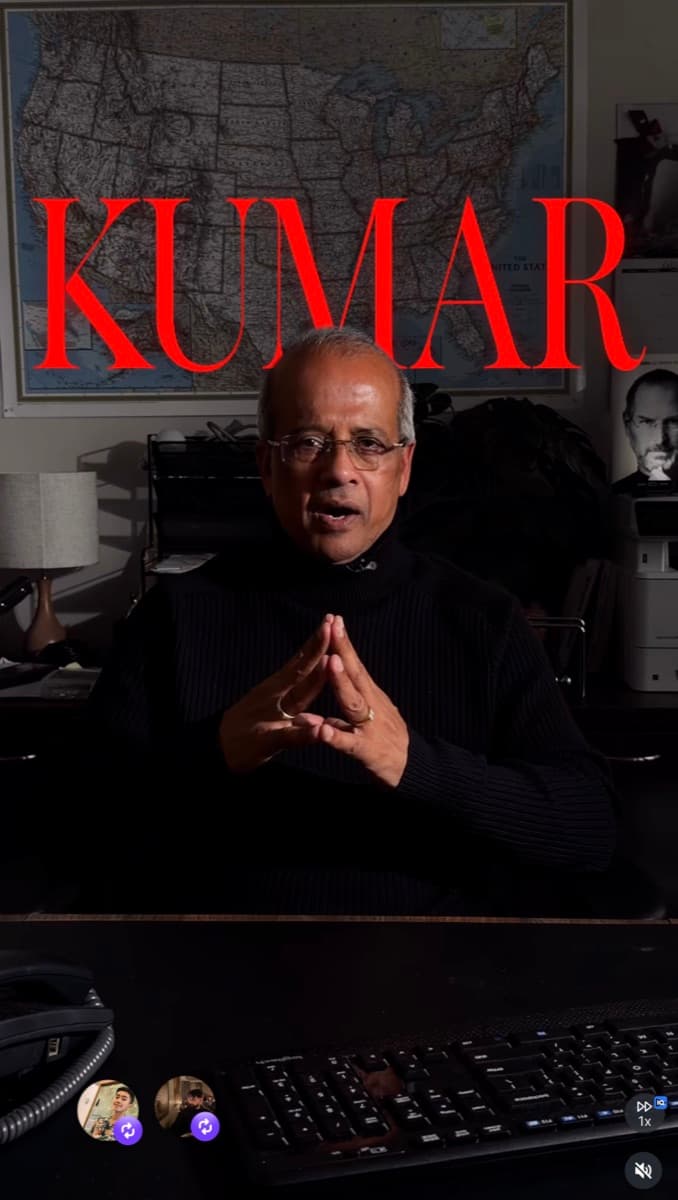
- This is the majority of the shoot.
- Keep it dark and cinematic. A soft backlight in the background is fine if the room gets too dark.
- Main light from the side, like the diagram. Not in front, not overhead.
Scene 2: Honest, lights-on A-roll
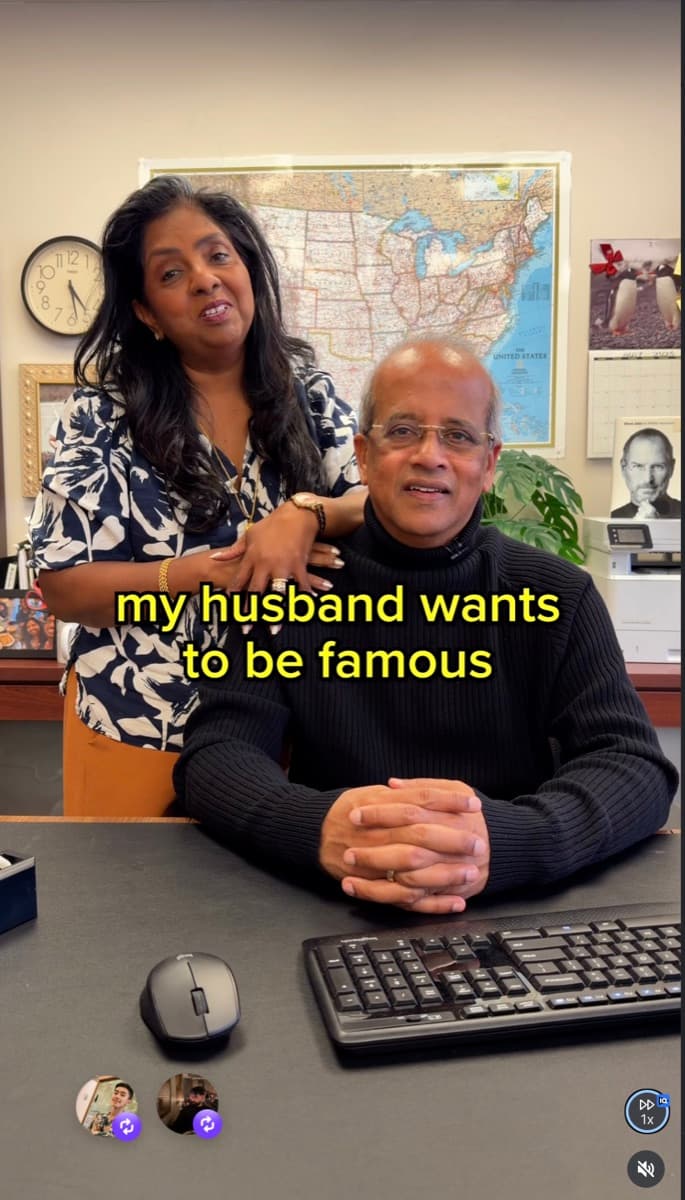
- Same place, same setup.
- Turn the lights back on. No more aura farming.
- Drop the character. This is the honest, back-to-reality you, delivering the final line.
The footage is the easy half
The shoot gets you the raw material. The cinema comes from the grade, the sound design, the pacing, and the cuts, and that's the part that takes years to get right. That's the part we do for you.
Get your Kumar style video hereStep 3: Photos and B-roll (the aura farming)
To aura farm without booking a studio, we need a few photos of you posing in your outfit on a plain background. Same phone, same outfit, good light. They don't have to look polished, they just have to be captured. We style them after.
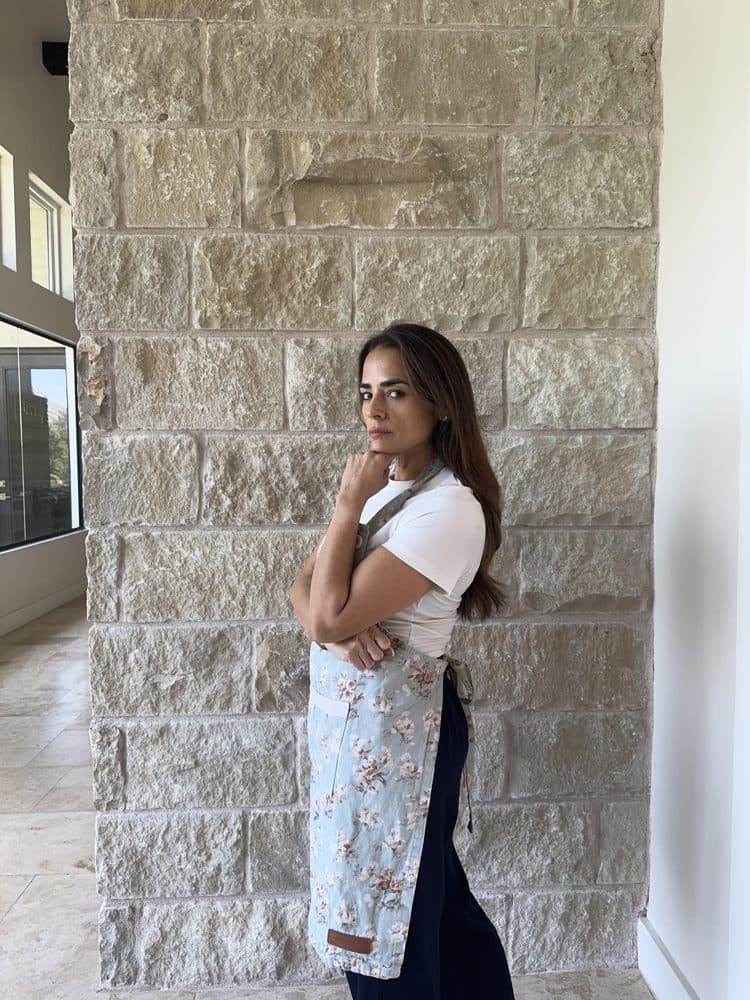
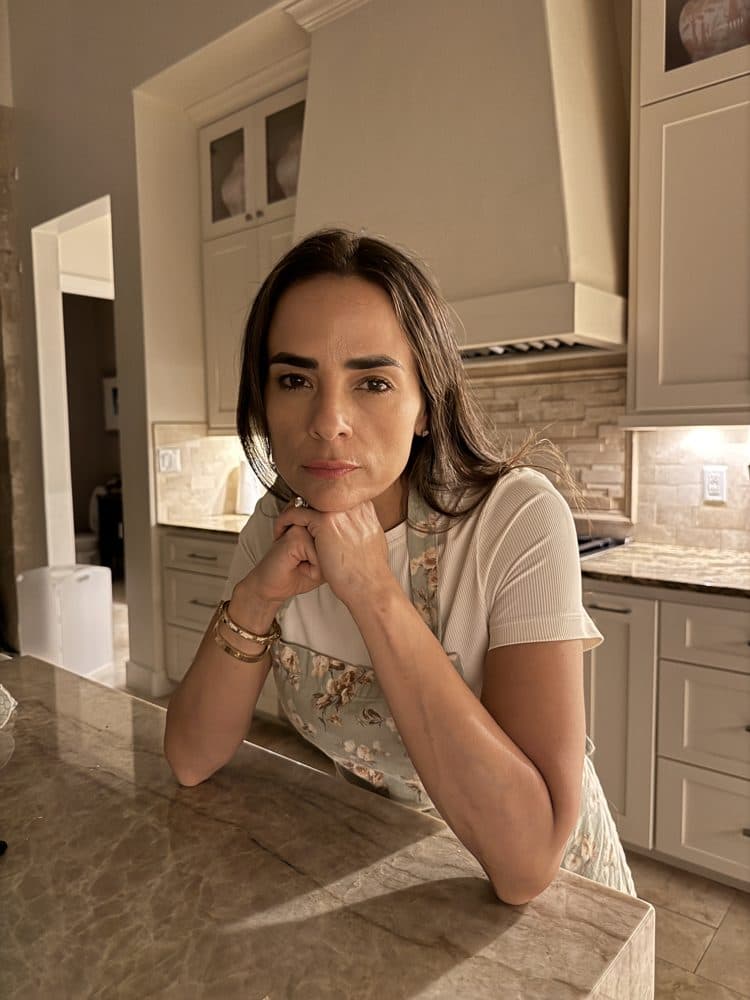
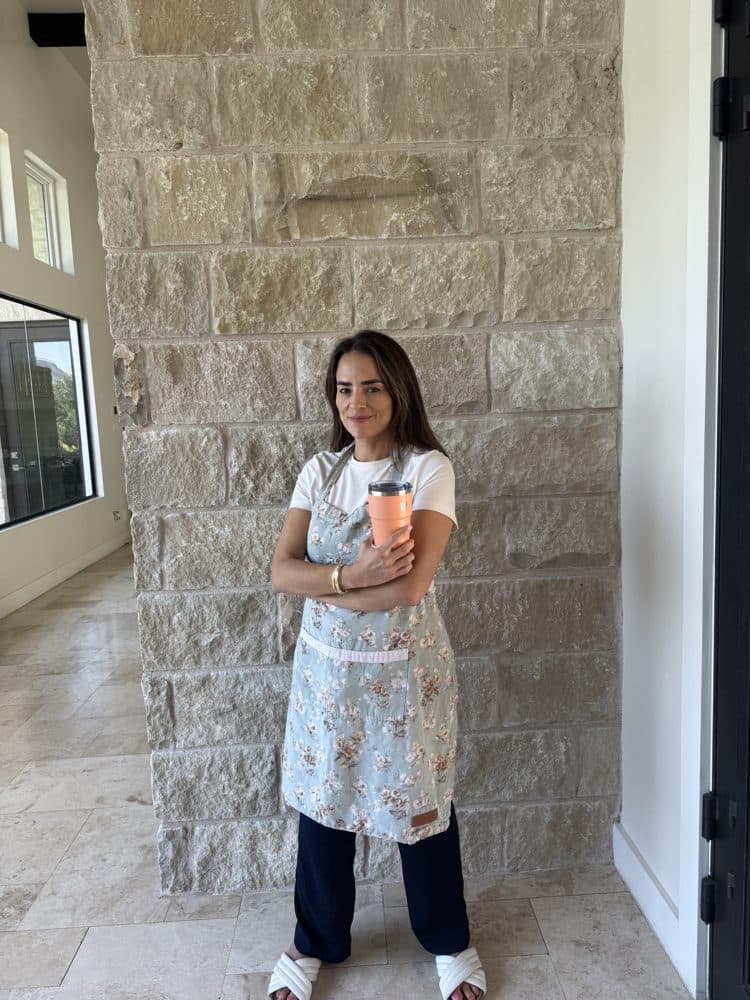
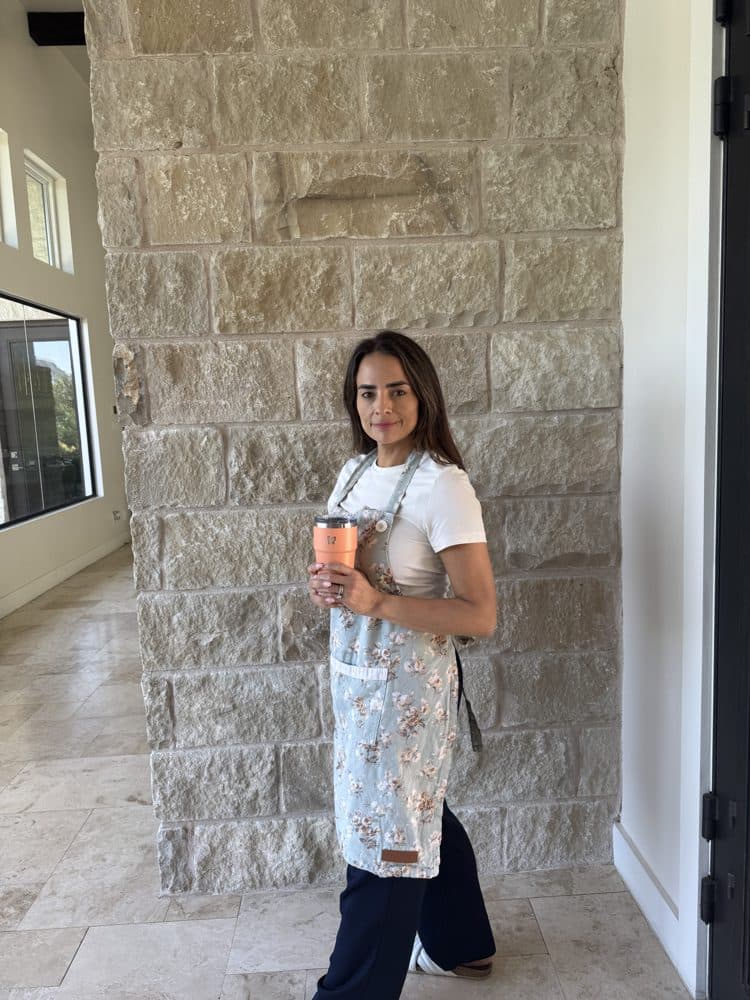
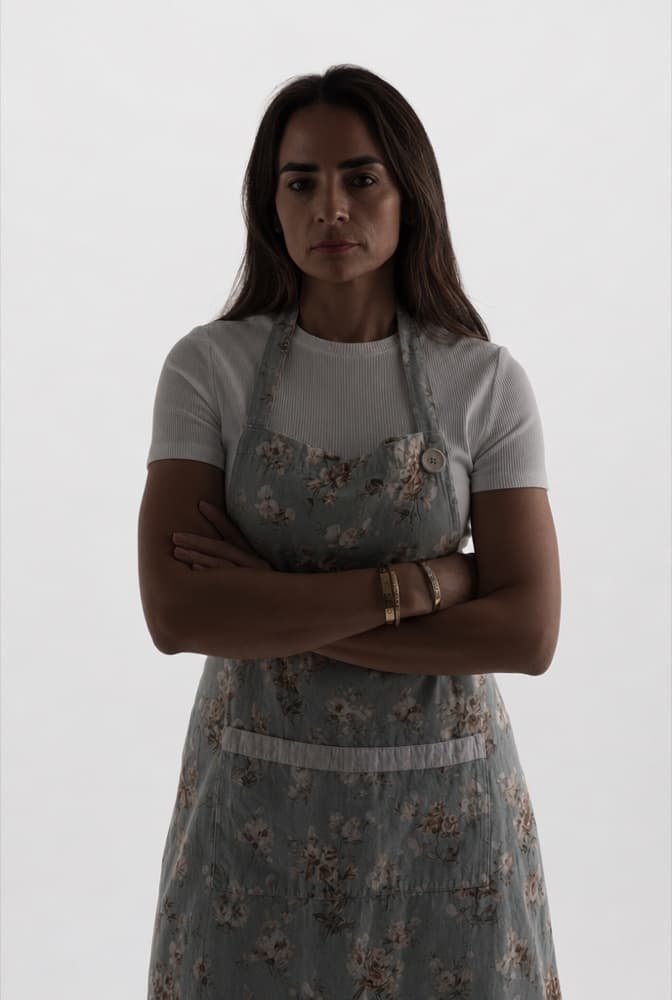
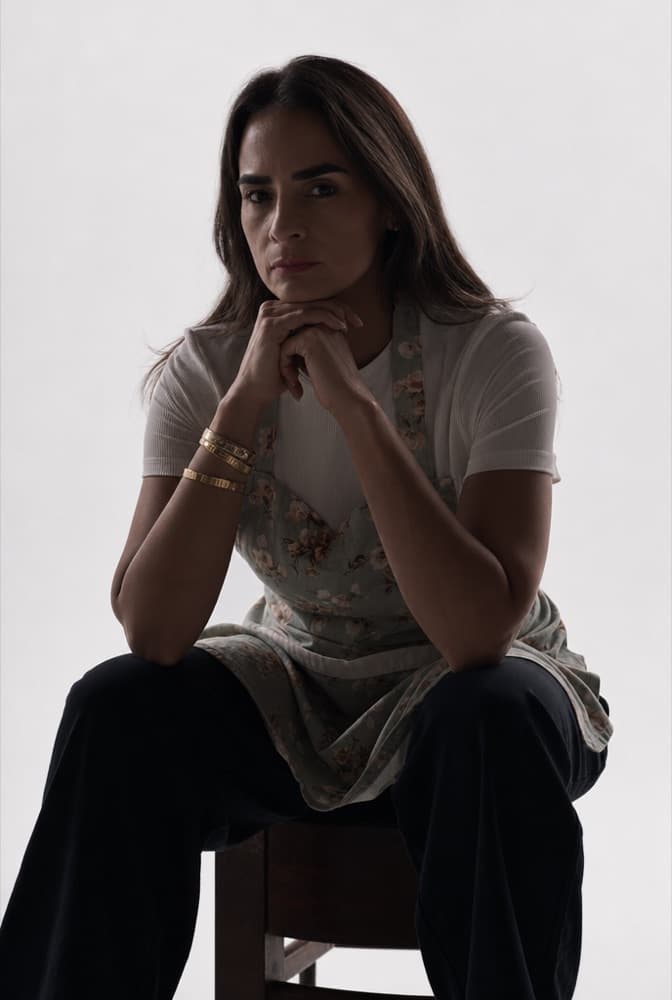
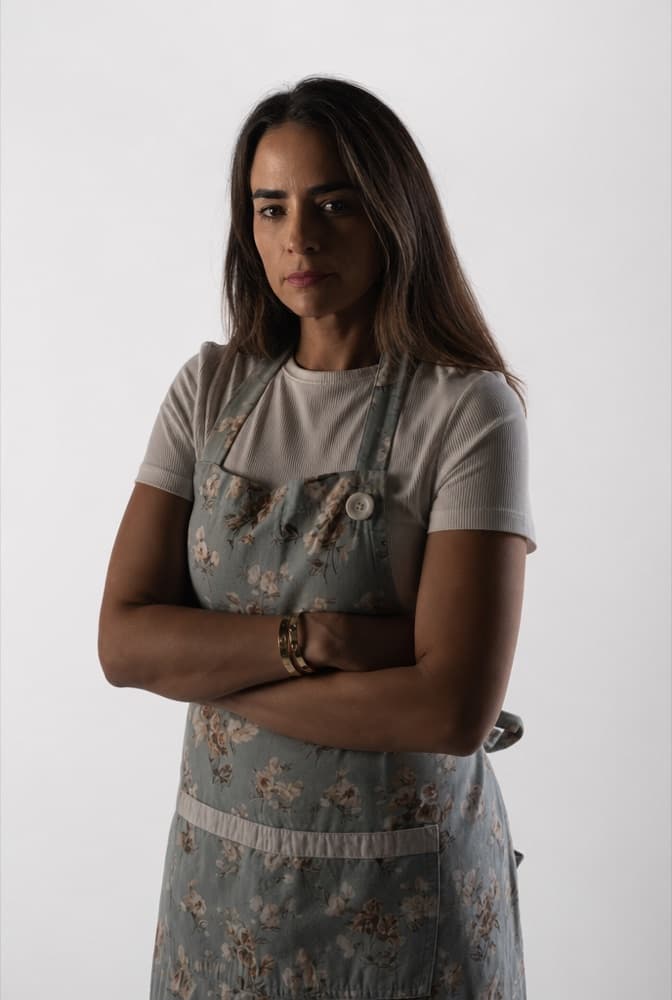
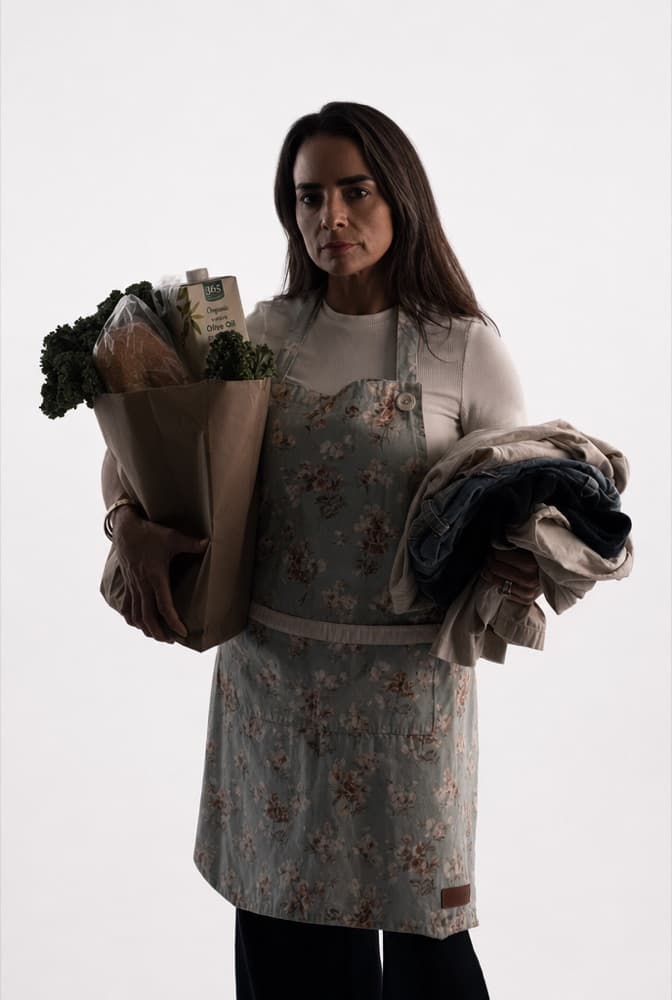
Bonus: grab a few quick clips, five to ten seconds each, of you doing something specific to your niche, with the same cinematic lighting. They make the aura-farm reel.
Want the full prompting guide?
Get the one-page prompting guide and both Kumar reference photos by email.
No spam. Unsubscribe anytime.
You're done
Upload everything into a Google Drive folder. The two scenes, the photos, the B-roll clips. Set the folder to public access and send us the link. Then we get cooking.
Build it yourself, or have us do it
You've got everything now. You can put it all together and edit it yourself. Go for it.
Here's the honest part though. The footage isn't what makes these videos hit. It's the sound design, the grade, the pacing, and the timing of the reveal. That's the part that takes years of experience, and it's the difference between a video that looks like a movie and one that looks like a webcam with the lights off. If you'd rather not learn all that, send us the footage and we'll put the whole thing together and spin it up fast.
Want us to build the whole thing?
You shoot about twenty minutes on your phone using this guide. We polish the script, then grade, score, and assemble the whole video, the way we did for Betty. Only five builds a week while the format is hot.
Get your Kumar style video hereThe short version
- Three steps, about half an hour: script, film, photos.
- One script, two scenes. Dark and serious, then lights-on and honest. The gap is the whole point.
- Lighting is what people get wrong. Kill the overhead, one hard light from the side, half your face in shadow.
- Shoot every line a few times and send all the takes. The best frames get picked in the edit.
- Take plain photos in your outfit on a blank wall, plus a few 5 to 10 second niche clips. That's the aura-farm material.
- Upload to a public Google Drive folder and send the link. The footage is the easy half. The cinema is built in the edit.
Keep reading
Don't miss the next one
Some of what we share is time-sensitive. A format that's working right now, a window that closes fast. We email those the moment they're worth jumping on. Drop your email so you catch them in time.
No spam. Unsubscribe anytime.
Frequently asked questions
What gear do I need to film a Kumar Method video?
How do I get the cinematic lighting?
How long does it take to film?
Can I film a Kumar Method video on my phone?
Can you edit the video for me?
Founded & led by
Benjamin Chua (BenChuchu)
Founder and CEO of Trueframe. 9 years building businesses (started at 16), tens of millions of views generated, and 8 figures in revenue created for the founders and brands he works with. He builds the content systems Trueframe runs.